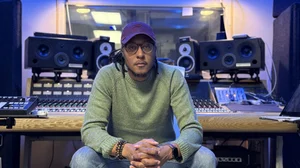
Messa Reveals Controversial Decision Between Integrity and Profit
The EP is almost here, and we already 3 songs into the Making of “Be Kind, Rewind” YouTube vlog series. Are you excited? So far we have learned about how Messa had issues with overthinking, the perils of seeking affirmation and in today’s episode we look at track number 3. Cant Serve Two.
As the title suggest Messa explores a biblical truth in Matt 6:24 where you cannot serve two masters. He searched his heart regarding music for the soul vs music for the wallet. He sought the help of two of Houston’s own creatives David Maldonado and Red Lion Poetry for a more dynamic production.
Follow our stories in the "Making of Be Kind Rewind" Playlist for his upcoming EP by subscribing here A must watch. The EP "Be Kind, Rewind Vol 1." is out now on Pre-order on all music platforms.
If you like these vlogs please check our playlist and subscribe to our YouTube Channel here.
Oh and before I forget, thanks in advance for you comments, shares and likes on social media.
Aiight, im out
FOOD
I was on the phone when I heard this… “With AI and art, I feel that there is no end game”.
I feel like a songwriter or author that got haunted by a phrase that makes run to a piece of paper. For me, it’s my computer and this blog you are reading. For the record, I'm not anti-AI. I’m not arguing against it.
I’m simply questioning the reality of the times we’re in.
Will it bother you if the voice moving you isn’t real?
If the lyrics that bring you to tears weren’t born from someone’s lived experience, but from a prompt?
It’s not like we’re 3D-printing chicken or letting AI father our children.
It’s just a tool, right?
Maybe.
But for me—yes—it does matter.
Moments ago, I had an odd feeling in my stomach—this strange question that’s been haunting me all year: Would I still be mixing and mastering music in five years? Artificial Intelligence is reshaping the creative world faster than any of us expected. With a click of a button, an artist can “create” lyrics, shape your voice and creating a choir for a industry competing arrangement, no studio, musician, arranger is necessary, and it can “master” a track in seconds. So the question naturally pops up:
“Should I keep mixing and mastering when AI can do it instantly?”
My answer — grounded in 25+ years of ears, instinct, and craft — is simple:
Yes. Because AI cannot replace me.
Here are the seven reasons that I could find…and boy was it reassuring….maybe it will be for you will too.
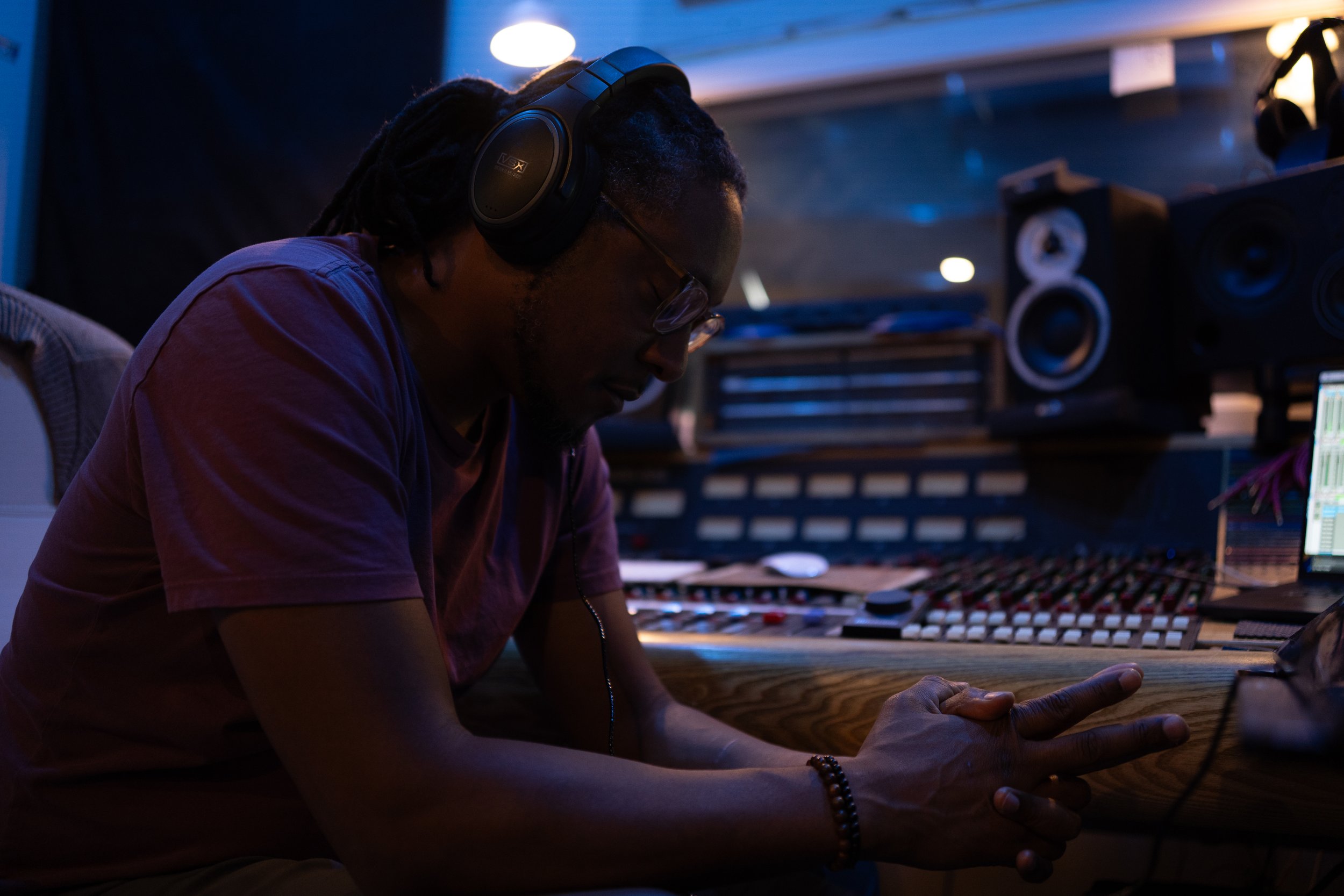
Photos by @josuemlopez17
Every now and then, a song walks into the room revealing the journey an artists has been on.
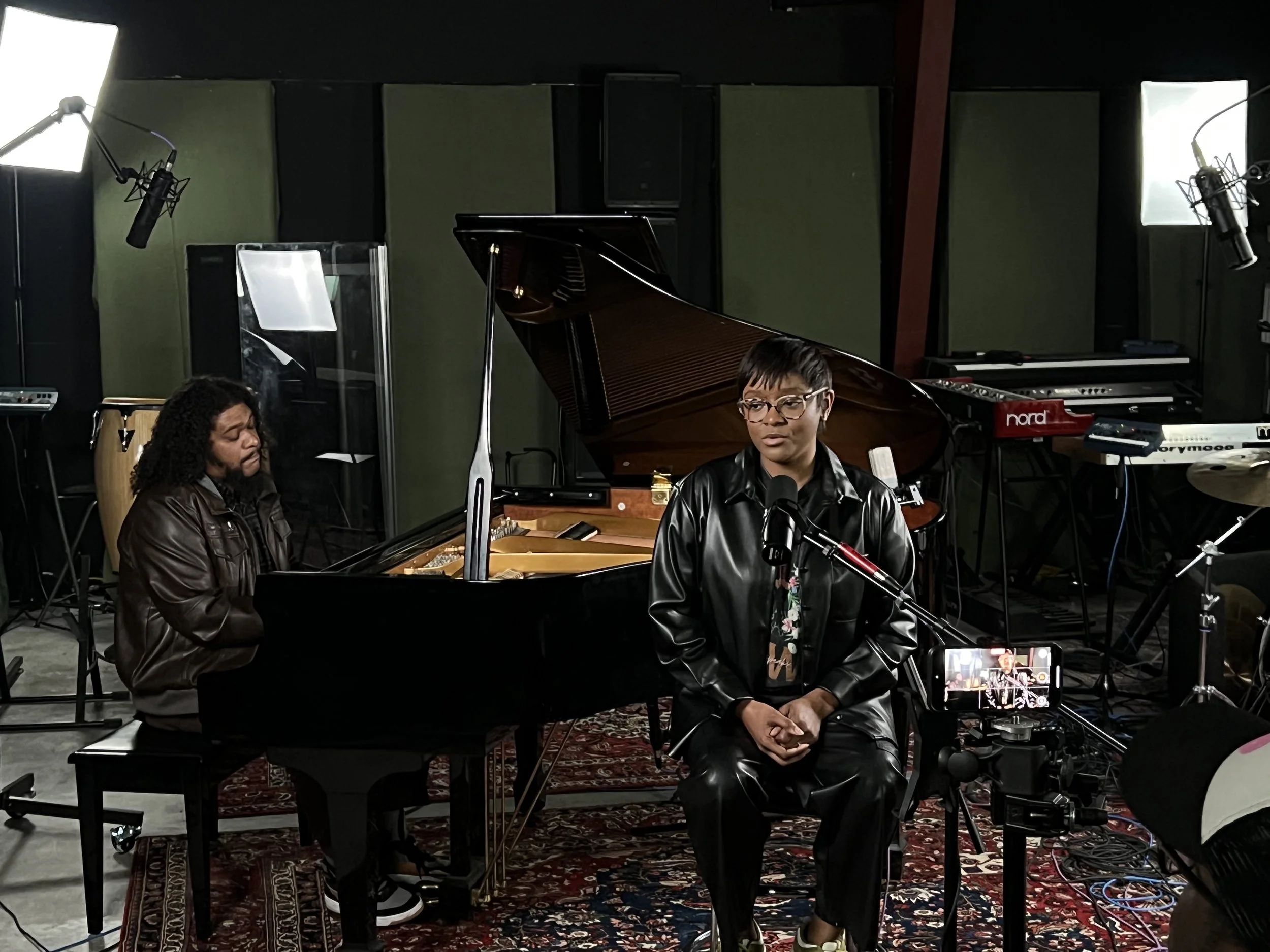
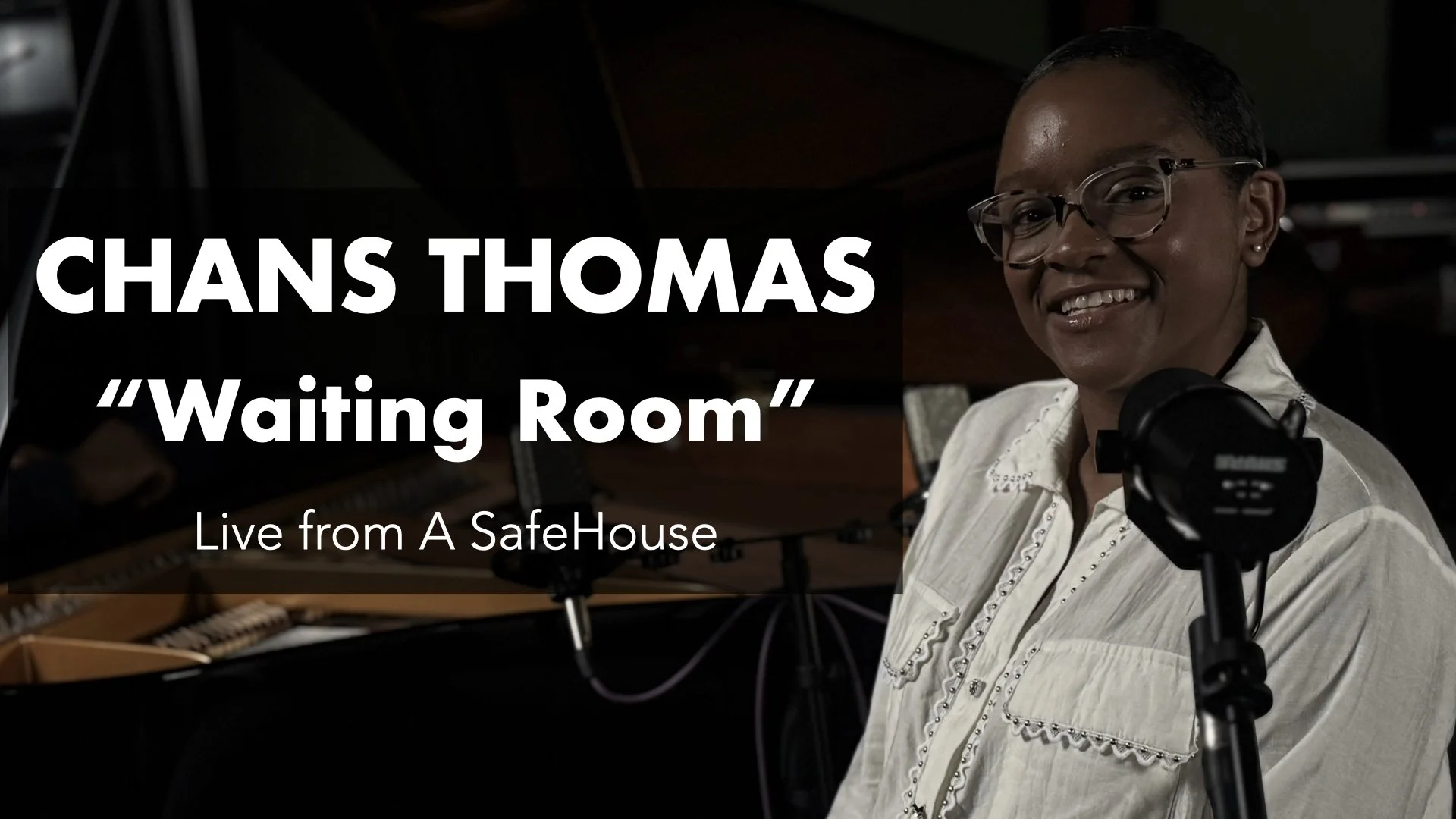
I know the song, but hearing it live with just the piano…reassuringly familiar yet, It felt fresh for some reason.
Before the preamps warm up, before I could settle the mics in position, before we even count off—
we were present. This was going to be all in one take!.
Episode 2 of Live From A SafeHouse lives in that space.
This session wasn’t about chasing complexity or proving anything.
It was about an alignment—a heart posture set to melody. An engineer ready to capture it all.
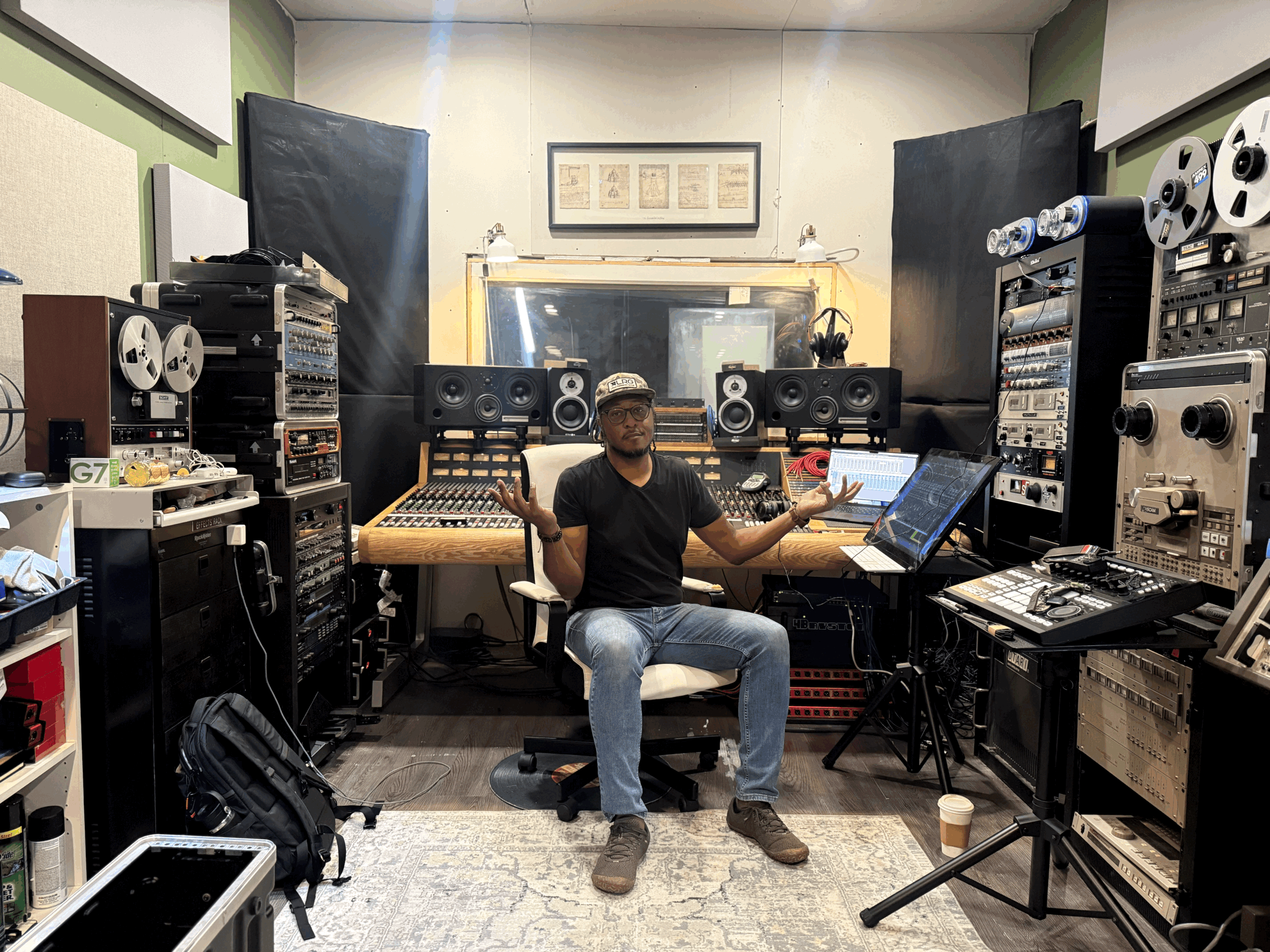
Every day I open the door to A SafeHouse Studio, I’m reminded how blessed I am to create in a city as musically rich, culturally layered, and relentlessly inspiring as Houston. Having 1,200 square feet dedicated to pure creativity is a privilege — but having it in this city, surrounded by these artists, is the real gift.
And truthfully… collaboration here just comes easy.
There’s something about Houston’s mix of stories, traditions, and sonic identities that makes every session feel like an open invitation to explore. My own journey — from London DJ to Houston engineer, professor, and founder of ToneCrafters — places me right in the epicenter of that creative energy. If you’ve read my bio, you know I haven’t taken a straight path to get here. But that path led me to a city that moves with rhythm in its bones.
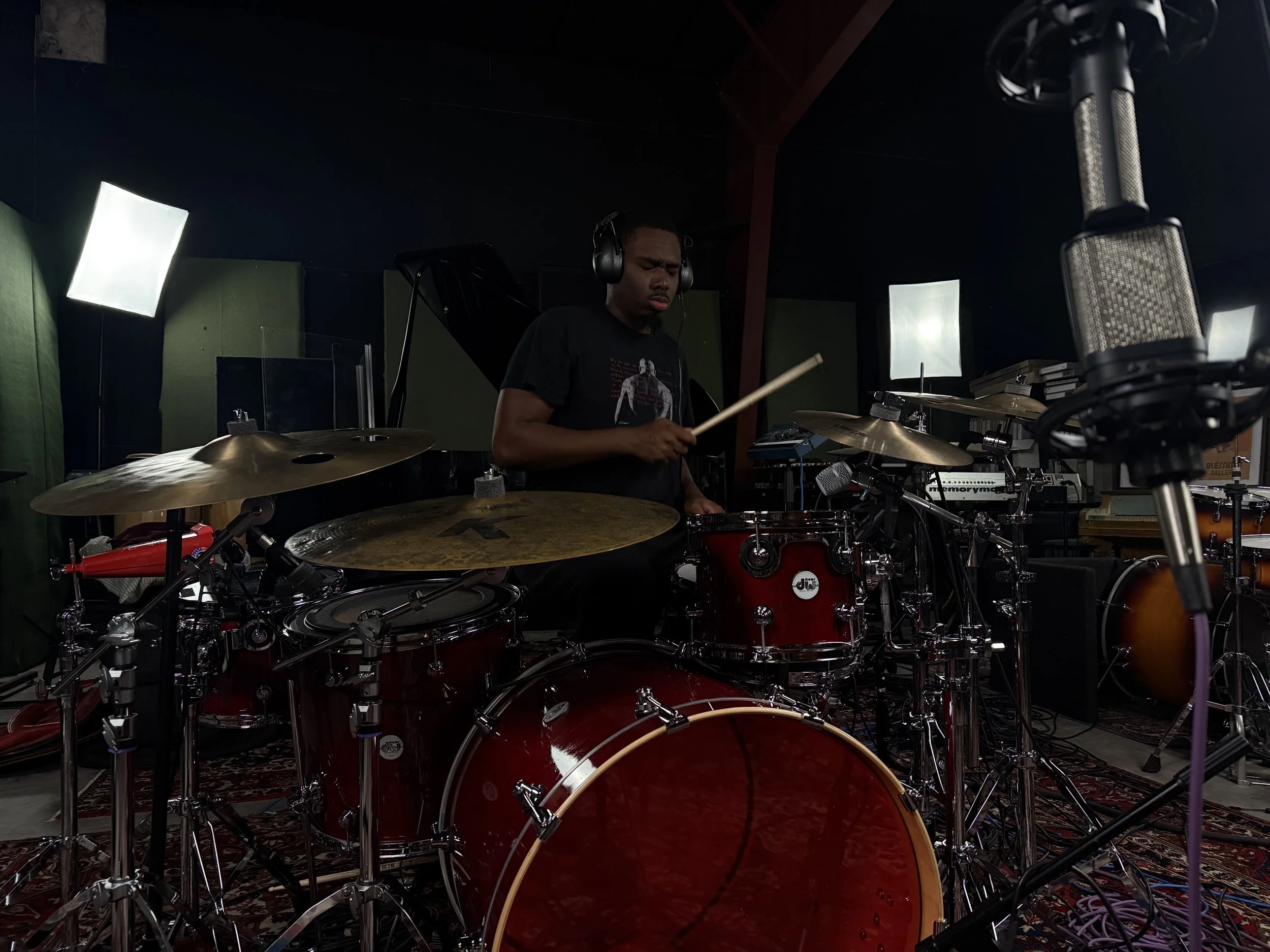
A great drummer doesn’t treat a song like a grid—they treat it like a conversation.
They pull and push. They anticipate and respond. They tuck the kick just behind the beat to make you lean in, or snap the snare on top to make the whole track breathe differently.
Every fill has intention.
Every ghost note carries personality.
And every tiny imperfection is what actually makes the song feel alive.
That’s something you can’t download.
You can only capture it.
There’s something about a dedicated room—real air, real reflections, real vibration—that elevates both the player and the final record.
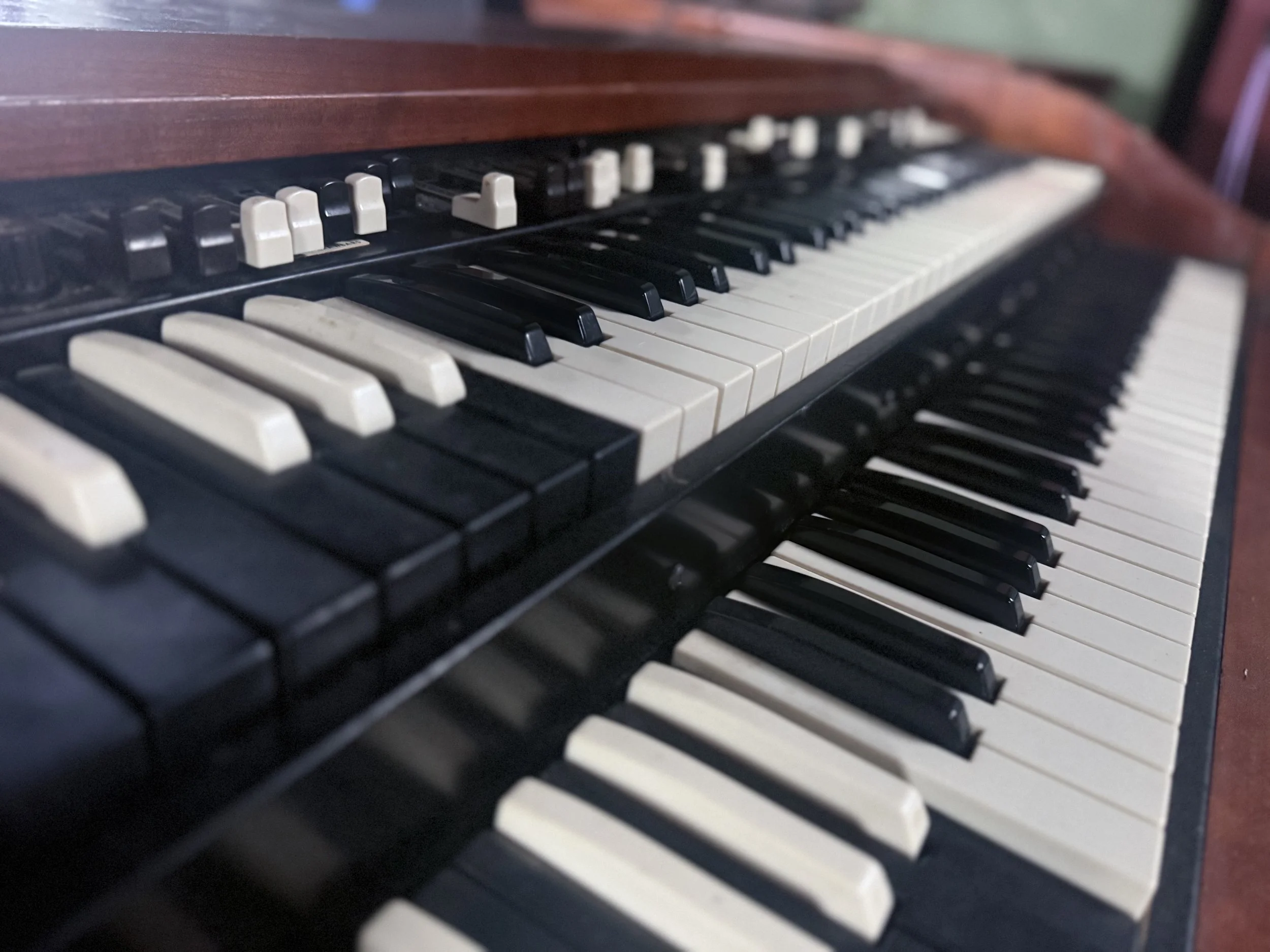
When a B-3 or A100 spins up in this room, you feel it in your chest. You feel the wood resonate. You feel the heritage of every gospel, soul, and jazz session that shaped modern music.
A plug-in can give you convenience.
But a real Hammond—captured through real microphones, real iron, and real hands—is where the soul lives.
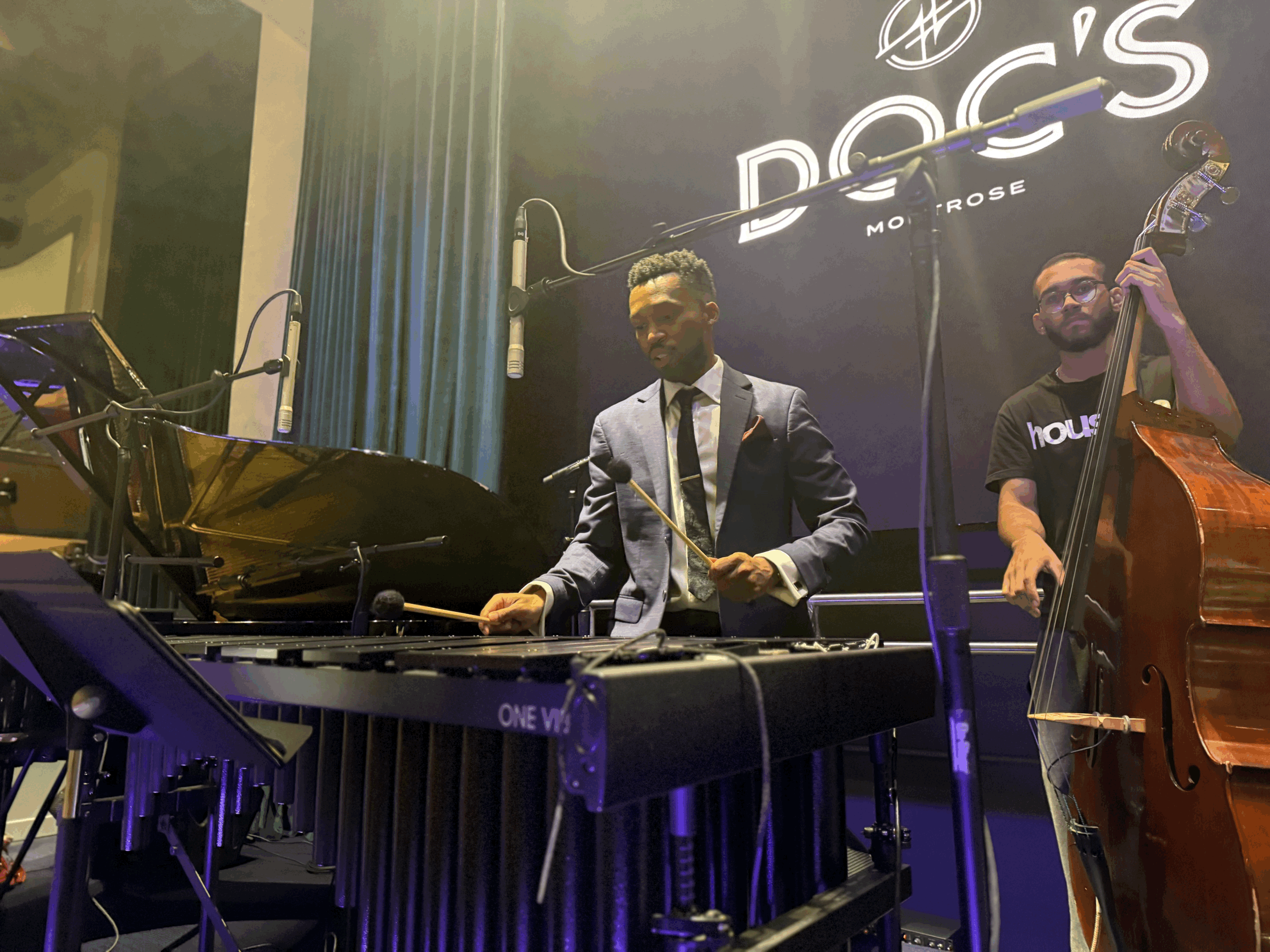
A room intentionally built for sound, storytelling, and soul. A place where nostalgia meets modernity, where swing brushes up against Latin grooves, and where vintage standards share a stage with modern neo-jazz fusion.
And I had the honor of tone-crafting its very first night of sound.
What I am drawn to is the moment when an artist walks into A SafeHouse Studio and brings something real. A voice with story still in it. A lyric that hasn’t been polished for perfection. A performance that feels like a conversation more than a show.
For years, I’ve had a front-row seat to these moments. And I couldn’t shake the question:
What good is all this beauty if it never leaves the room?
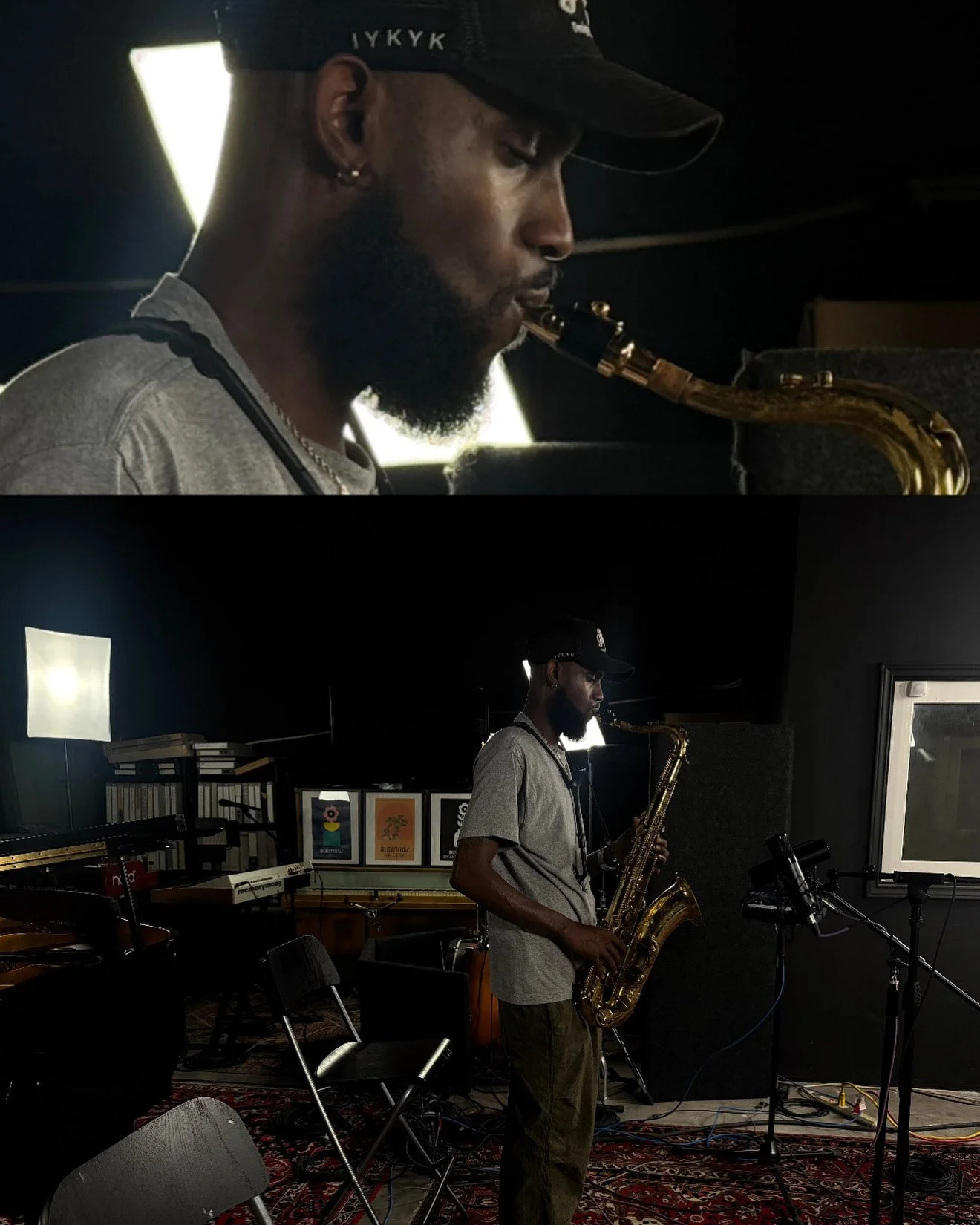
Within minutes, we were catching a little lightning in a bottle: a raw, unplanned brass cover of OutKast’s SpottieOttieDopalicious. Soulful, loose, and exactly the kind of vibe that reminds me why I love working with artists like these.
In a world where perfection is often the default, I’ve found myself on a bit of a quest: a quest to rediscover and celebrate the beauty of imperfection. That realization hit me just the other day when I was visiting a church service in Houston. The singers were so perfect, it was incredible...too good in fact. I recognize a familiar sound that as a professional live audio engineer. All the vocals were perfectly pitch-tuned with a Waves Tune plugin, so flawless that it zapped all the zest. I knew most of the singers, they are incredible vocal performers, but the soul, the human touch, it seemed to have been polished right out.
So leads to extend my mission into 2026: I want my studio to be a haven for that beautifully imperfect magic.
Read More…